How to Design an Outdoor Kitchen That Withstands Florida’s Heat, Humidity, and Storms
June 29, 2026Florida’s climate is one of the state’s greatest attractions. Warm temperatures, abundant sunshine, and outdoor-friendly weather encourage homeowners to spend more time outside than residents in many other parts of the country. As a result, outdoor living spaces have become a defining feature of residential design throughout the state. Among the most popular additions to these spaces is the outdoor kitchen, which provides a functional and inviting environment for cooking, entertaining, and gathering with family and friends.
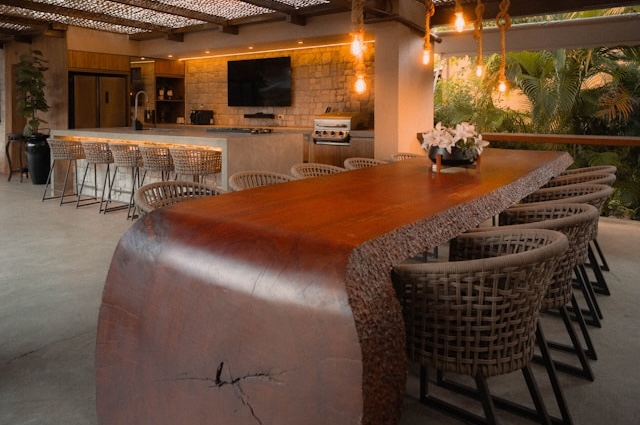
However, designing an outdoor kitchen in Florida presents unique challenges. The same climate that makes outdoor living enjoyable also creates conditions that can accelerate wear and tear on materials, appliances, and structural components. Intense heat, high humidity, frequent rainfall, salt air in coastal regions, and the potential for tropical storms and hurricanes all require careful planning and durable construction.
A successful outdoor kitchen must be designed not only for aesthetics and functionality but also for long-term resilience. Homeowners who understand the environmental demands of Florida can make informed decisions that protect their investment while creating an outdoor space that remains attractive and functional for years to come.
Understanding Florida’s Climate Challenges
Before selecting materials or designing layouts, it is important to understand the environmental factors that affect outdoor structures in Florida.
High Temperatures
Florida experiences long periods of warm weather, particularly during the spring and summer months. Constant exposure to sunlight and elevated temperatures can cause fading, warping, cracking, and premature deterioration in materials that are not specifically designed for outdoor use.
High Humidity
Humidity levels remain high throughout much of the year. Excess moisture can contribute to:
- Mold growth
- Mildew development
- Corrosion
- Wood rot
- Material expansion and contraction
Outdoor kitchens must be designed to handle continuous exposure to moisture without compromising performance or appearance.
Heavy Rainfall
Florida receives substantial rainfall, particularly during the rainy season. Water management becomes essential to prevent damage to cabinetry, flooring, appliances, and structural elements.
Tropical Storms and Hurricanes
Florida’s geographic location makes it susceptible to tropical weather systems. Strong winds, flying debris, and heavy rain can place significant stress on outdoor structures and equipment.
Designing with storm resistance in mind can help reduce potential damage and improve long-term durability.
Start with a Durable Structural Framework
The foundation of any outdoor kitchen begins with its structural framework.
Because Florida’s climate can quickly expose weaknesses in construction, homeowners should prioritize materials that resist corrosion, moisture, and weather-related deterioration.
Popular structural materials include:
- Aluminum framing
- Reinforced concrete
- Masonry block construction
- Steel components with protective coatings
Among these options, aluminum is often favored because it resists rust and performs well in humid environments.
The structural framework serves as the backbone of the outdoor kitchen, supporting cabinetry, countertops, appliances, and roofing systems. Investing in durable framing materials can significantly extend the lifespan of the entire project.
Choose Weather-Resistant Cabinetry
Cabinetry plays a major role in both functionality and appearance. Unlike indoor kitchens, outdoor cabinets must endure constant exposure to changing weather conditions.
Suitable outdoor cabinetry materials include:
Stainless Steel
High-quality stainless steel offers excellent resistance to corrosion, moisture, and heat.
Benefits include:
- Durability
- Easy maintenance
- Modern appearance
- Resistance to insects and rot
Marine-Grade Polymer
Marine-grade polymer materials are specifically engineered for harsh outdoor environments.
Advantages include:
- Moisture resistance
- UV protection
- Low maintenance requirements
- Long-term durability
Powder-Coated Aluminum
Powder-coated aluminum combines lightweight construction with exceptional weather resistance.
These materials help prevent common issues such as swelling, cracking, peeling, and rusting.
Select Countertops Built for Outdoor Conditions
Countertops are among the most heavily used surfaces in an outdoor kitchen. They must withstand direct sunlight, temperature fluctuations, moisture, and frequent use.
Granite
Granite remains one of the most popular outdoor countertop choices.
Benefits include:
- Heat resistance
- Durability
- Natural beauty
- Weather tolerance
Proper sealing helps protect granite from moisture infiltration and staining.
Concrete
Concrete countertops can provide exceptional durability when properly installed and sealed.
They offer:
- Customization options
- Structural strength
- Modern design appeal
Porcelain Slabs
Porcelain has gained popularity due to its resistance to:
- UV exposure
- Heat
- Moisture
- Scratches
Porcelain surfaces maintain their appearance even in challenging climates.
Homeowners should avoid countertop materials that are prone to fading, warping, or excessive moisture absorption.
Invest in Outdoor-Rated Appliances
One of the most common mistakes in outdoor kitchen design is installing appliances intended for indoor use.
Florida’s climate demands appliances specifically engineered for outdoor environments.
Outdoor-rated appliances typically feature:
- Corrosion-resistant materials
- Weatherproof components
- Enhanced ventilation systems
- UV-resistant finishes
Common outdoor appliances include:
- Grills
- Refrigerators
- Ice makers
- Beverage coolers
- Side burners
- Pizza ovens
Using outdoor-rated equipment helps ensure reliable performance while reducing maintenance and replacement costs.
Prioritize Proper Ventilation
Ventilation becomes especially important in Florida’s hot and humid environment.
Without adequate airflow, outdoor kitchens can experience:
- Excessive heat buildup
- Smoke accumulation
- Moisture retention
- Reduced comfort
Ventilation systems help maintain air circulation and improve the overall cooking experience.
Important ventilation considerations include:
Range Hoods
Outdoor-rated ventilation hoods can effectively remove smoke, grease, and heat generated by grills and cooking equipment.
Open-Air Design
Designing kitchens with open layouts promotes natural airflow and improves comfort during warm weather.
Ceiling Fans
Weather-resistant ceiling fans can enhance air movement while helping reduce heat accumulation.
Effective ventilation contributes to both comfort and equipment longevity.
Incorporate Shade and Weather Protection
Florida’s intense sunlight can make outdoor cooking uncomfortable without adequate shade.
Protective structures help shield both people and equipment from environmental exposure.
Popular options include:
Covered Roof Structures
Permanent roof systems provide protection from:
- Rain
- UV rays
- Falling debris
Pergolas
Pergolas create partial shade while maintaining an open and inviting atmosphere.
Retractable Awnings
Flexible shade systems allow homeowners to adapt to changing weather conditions.
Covered outdoor kitchens often experience less material deterioration due to reduced exposure to direct sunlight and rainfall.
Design for Effective Water Drainage
Water management is critical in Florida due to frequent rainstorms and occasional severe weather.
Poor drainage can result in:
- Standing water
- Structural damage
- Mold growth
- Surface deterioration
Key drainage strategies include:
Proper Grading
Outdoor kitchens should be constructed on surfaces that direct water away from structures and living areas.
Drainage Systems
Integrated drainage solutions help manage runoff during heavy rainfall.
Elevated Installations
Elevating cabinetry and appliances above surrounding surfaces can reduce water exposure during storms.
Effective drainage protects materials while extending the lifespan of the entire outdoor kitchen.
Use Corrosion-Resistant Hardware
Even small components can significantly affect long-term durability.
Florida’s humidity and coastal conditions can quickly corrode low-quality hardware.
Recommended materials include:
- Stainless steel fasteners
- Marine-grade hardware
- Aluminum hinges
- Corrosion-resistant brackets
These components help maintain structural integrity while preventing premature deterioration.
Attention to hardware selection often distinguishes long-lasting installations from those requiring frequent repairs.
Plan for Hurricane Resilience
Florida homeowners must consider hurricane preparedness when designing outdoor spaces.
Although no outdoor structure can be completely storm-proof, several design strategies can improve resilience.
Secure Structural Connections
Strong anchoring systems help resist wind forces during severe weather events.
Impact-Resistant Materials
Durable materials reduce the likelihood of damage from airborne debris.
Protected Storage
Weather-resistant storage areas help secure cooking accessories and outdoor equipment.
Appliance Covers
Heavy-duty protective covers provide additional protection during storms and periods of non-use.
Planning for extreme weather conditions can help reduce repair costs and improve overall safety.
Consider Coastal Environmental Factors
Many Florida homes are located near the coast, where salt air creates additional challenges.
Salt exposure can accelerate corrosion and material degradation.
Homeowners in coastal areas should prioritize:
- Marine-grade stainless steel
- Aluminum construction
- Specialized protective coatings
- Frequent cleaning and maintenance
Selecting products designed for coastal environments can significantly improve longevity.
Create a Functional Layout
Durability is essential, but functionality remains equally important.
A well-designed outdoor kitchen should support efficient cooking and entertaining.
Popular layout considerations include:
Work Zones
Separate areas for:
- Food preparation
- Cooking
- Serving
- Cleanup
Traffic Flow
Adequate spacing allows guests and family members to move comfortably throughout the space.
Seating Areas
Integrated seating encourages social interaction and enhances usability.
Accessibility
Convenient access to indoor kitchens, utilities, and dining areas improves overall functionality.
Thoughtful planning ensures the space remains practical as well as attractive.
Embrace Low-Maintenance Design
Homeowners often prefer outdoor kitchens that require minimal upkeep.
Low-maintenance design strategies include:
- Choosing non-porous surfaces
- Installing weather-resistant materials
- Using stain-resistant finishes
- Selecting easy-to-clean appliances
Reducing maintenance demands allows homeowners to spend more time enjoying their outdoor spaces and less time performing repairs.
Sustainability and Energy Efficiency
Environmental considerations continue to influence outdoor living design.
Sustainable outdoor kitchens may incorporate:
- Energy-efficient appliances
- LED lighting
- Water-saving fixtures
- Recycled materials
- Solar-powered features
These upgrades can reduce resource consumption while supporting long-term environmental goals.
Outdoor Kitchens and Property Value
Outdoor living spaces have become highly desirable features in Florida’s residential real estate market.
Buyers increasingly seek homes that offer:
- Expanded entertainment areas
- Functional outdoor amenities
- Weather-resistant construction
- Year-round usability
A thoughtfully designed outdoor kitchen can enhance curb appeal, improve lifestyle quality, and contribute to overall property value.
While resale value should not be the sole motivation for construction, durable and attractive outdoor living spaces often make homes more appealing to prospective buyers.
Conclusion
Designing an outdoor kitchen that withstands Florida’s heat, humidity, and storms requires careful planning, durable materials, and a thorough understanding of the state’s unique environmental conditions. From weather-resistant cabinetry and outdoor-rated appliances to proper drainage, ventilation, and hurricane-conscious construction, every design decision contributes to long-term performance and durability.
Florida’s climate presents challenges, but it also creates opportunities for homeowners to enjoy outdoor living throughout much of the year. By prioritizing resilience, functionality, and low-maintenance materials, homeowners can create outdoor kitchens that remain beautiful, practical, and enjoyable for years to come.
As outdoor living continues to shape residential design trends across Florida, investing in thoughtful construction and climate-appropriate materials helps ensure that an outdoor kitchen becomes more than just an extension of the home—it becomes a lasting gathering place where memories are created, meals are shared, and the Florida lifestyle can be fully enjoyed.
