Outdoor Kitchens Explained: How Stainless Steel Cabinet Systems Transform Backyard Living
April 14, 2026Outdoor living has evolved far beyond simple patios and garden seating. Today, homeowners are investing in fully functional outdoor kitchen systems that bring the convenience of indoor cooking into the open air. At the center of this transformation is a powerful combination of smart design, durable materials, and high-performance appliances.
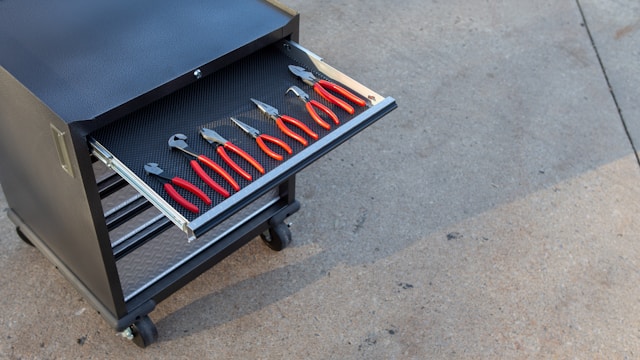
Outdoor Kitchens Explained: How Stainless Steel Cabinet Systems Transform Backyard Living is not just a concept—it represents a shift in how people use and value their outdoor spaces. By integrating stainless steel cabinetry, weather-resistant engineering, and modular design principles, outdoor kitchens have become both a lifestyle upgrade and a long-term investment.
Understanding Outdoor Kitchen Systems
Outdoor kitchen systems are structured cooking and entertainment spaces designed specifically for exterior environments. Unlike traditional indoor kitchens, these systems must withstand constant exposure to weather elements while maintaining functionality and visual appeal.
At their core, outdoor kitchens combine several essential components:
- Cooking appliances (grills, burners)
- Storage solutions (cabinets, drawers)
- Preparation surfaces
- Cleaning areas (sinks, waste management)
- Seating and social zones
These systems are not standalone features—they are integrated into broader outdoor living spaces, including patios, decks, and pergolas. As a result, they often become the focal point of backyard design, encouraging interaction, relaxation, and entertainment.
The Role of Stainless Steel Cabinets in Outdoor Kitchens
One of the most critical elements in modern outdoor kitchens is the cabinetry system. Among all available materials, stainless steel cabinets—particularly 304 and 316 grades—stand out as the industry standard.
What Are Stainless Steel Cabinets?
Stainless steel cabinets are storage units specifically engineered to endure outdoor conditions. Unlike wood or standard metal, stainless steel resists rust, corrosion, and structural damage caused by moisture and temperature changes.
Key Benefits
- Weather resistance: Handles rain, humidity, and UV exposure
- Rust-proof performance: Especially true for 316 marine-grade steel
- Low maintenance: Easy to clean and sanitize
- Longevity: Can last decades without degradation
For homeowners in coastal or high-humidity regions, choosing 316-grade stainless steel is considered best practice due to its superior resistance to salt air corrosion.
Connection to Industry Leaders
Companies like Absolute Aluminum emphasize stainless steel cabinet systems as a core offering, often backed by lifetime warranties. This reflects the growing demand for long-term durability and return on investment (ROI) in outdoor kitchen construction.
Weather Resistance Engineering: Why It Matters
Outdoor kitchens face constant environmental stress. Without proper engineering, even high-end installations can deteriorate quickly.
Key Environmental Factors
- Humidity and moisture
- UV radiation from sunlight
- Salt air in coastal areas
- Rain and temperature fluctuations
Engineering Solutions
To combat these challenges, modern outdoor kitchen systems incorporate:
- Powder-coated finishes to protect surfaces from UV damage
- Sealed joints to prevent water infiltration
- Drainage systems to avoid water accumulation
- Corrosion-resistant materials like stainless steel
Cause and Effect
Using substandard materials often leads to:
- Rust and corrosion
- Structural weakening
- Increased maintenance costs
- Early replacement
In contrast, investing in weather-resistant engineering ensures longevity, safety, and consistent performance over time.
Built-In Appliances: Enhancing Performance and Functionality
A high-performance outdoor kitchen goes beyond basic grilling. It integrates specialized appliances designed for efficiency and versatility.
Infrared Grills
Infrared grills use radiant heat technology to cook food faster and more evenly than traditional grills. They are ideal for searing meats and achieving professional-level results.
Gas Side Burners
Side burners expand cooking capabilities, allowing users to prepare sauces, boil water, or cook side dishes without returning indoors.
Outdoor Refrigeration
Outdoor-rated refrigerators ensure food safety and convenience by keeping ingredients fresh and accessible. These units are built to handle fluctuating temperatures.
Ventilation Systems
Proper ventilation is essential in enclosed or semi-enclosed outdoor kitchens. Ventilation systems help:
- Remove smoke and grease
- Regulate heat
- Improve air quality
Without adequate ventilation, cooking can become uncomfortable and potentially hazardous.
Modular Kitchen Design: Flexibility and Customization
Modern outdoor kitchens increasingly rely on modular design systems. This approach allows homeowners to build kitchens using pre-configured or customizable components.
What Is Modular Design?
Modular kitchen design involves assembling standardized units—such as cabinets, appliances, and countertops—into a cohesive layout.
Advantages
- Scalability: Start small and expand over time
- Customization: Tailor the layout to specific needs
- Ease of installation: Faster setup compared to custom-built systems
- Adaptability: Adjust configurations as lifestyle needs change
Manufacturers like Absolute Aluminum offer extensive accessory options, enabling homeowners to create personalized outdoor kitchens that match their cooking habits and aesthetic preferences.
Outdoor Kitchens as the Heart of Outdoor Living Spaces
Outdoor kitchens are more than functional spaces—they are social hubs that redefine backyard living.
Creating Gathering Zones
By combining cooking, dining, and seating areas, outdoor kitchens encourage interaction and shared experiences. Guests can socialize while meals are being prepared, making the cooking process part of the entertainment.
Enhancing Property Value
Well-designed outdoor kitchens can significantly increase a property’s market appeal. Buyers often view them as premium features that add both functionality and lifestyle value.
Encouraging Outdoor Living Culture
Outdoor kitchens promote a lifestyle centered around:
- Fresh air and nature
- Family gatherings
- Casual entertaining
- Relaxation and recreation
Best Practices for Designing a High-Performance Outdoor Kitchen
To maximize the benefits of an outdoor kitchen system, careful planning is essential.
1. Prioritize Durable Materials
Invest in stainless steel cabinet systems with lifetime warranties to ensure long-term value. Avoid materials that are prone to warping, cracking, or corrosion.
2. Follow an Efficient Workflow
Design your kitchen layout based on the natural flow of activities:
- Prep zone
- Cooking zone
- Serving area
- Cleaning station
This sequence improves efficiency and reduces unnecessary movement.
3. Match Appliances to Your Cooking Style
Consider how you plan to use the space:
- Casual users may prefer a simple grill setup
- Enthusiasts may want multiple burners, smokers, or specialty appliances
4. Integrate Lighting and Seating Early
Lighting enhances both functionality and ambiance, while seating ensures comfort for guests. Plan these elements during the initial design phase rather than adding them later.
5. Plan for Ventilation and Safety
Ensure proper airflow, especially in covered areas. Install ventilation systems where needed to maintain a safe and comfortable environment.
The Long-Term Value of Stainless Steel Outdoor Kitchens
When evaluating outdoor kitchen investments, durability and maintenance costs play a crucial role. Stainless steel cabinet systems offer a clear advantage in both areas.
Return on Investment (ROI)
- Reduced repair and replacement costs
- Increased property value
- Extended lifespan of kitchen components
Low Maintenance Requirements
Unlike wood or painted surfaces, stainless steel requires minimal upkeep. Regular cleaning is usually sufficient to maintain its appearance and performance.
Sustainability Considerations
Stainless steel is recyclable and environmentally friendly, making it a responsible choice for eco-conscious homeowners.
Trusted Resources for Outdoor Kitchen Planning
For homeowners seeking additional guidance, several reputable resources are available:
- Absolute Aluminum Website – Product details and customization options
- National Kitchen & Bath Association (NKBA) – Professional design standards
- HGTV Outdoor Kitchen Planning Guide – Inspiration and layout ideas
- Consumer Reports – Reviews and comparisons of grills and appliances
These resources can help you make informed decisions and ensure your outdoor kitchen meets both functional and aesthetic goals.
Conclusion
Outdoor Kitchens Explained: How Stainless Steel Cabinet Systems Transform Backyard Living highlights a fundamental shift in modern home design. Outdoor kitchens are no longer optional luxuries—they are essential extensions of living space that combine functionality, durability, and social value.
By incorporating stainless steel cabinet systems, weather-resistant engineering, and modular design, homeowners can create outdoor kitchens that withstand the elements while delivering high performance. When paired with the right appliances and thoughtful layout planning, these spaces become the centerpiece of outdoor living—perfect for cooking, entertaining, and enjoying everyday life.
Ultimately, investing in a well-designed outdoor kitchen is not just about upgrading your backyard—it’s about enhancing your lifestyle for years to come.
